Problem
Trial is easy. Repeat is not.
Most new cans do not give shoppers a clear reason to buy again.
Strategic category hypothesis
Request a 20-min discovery callEnergy drinks / strategic opportunity hypothesis
Where can a new energy drink brand or distributor win when the category is growing, crowded, and under more scrutiny? The opening is a clearer use case, not a louder formula.
Built for brands, distributors and commercial teams evaluating where an energy drink concept can still earn repeat purchase.
Problem
Most new cans do not give shoppers a clear reason to buy again.
Signal
Work, study, hydration, travel and long shifts are becoming distinct energy jobs.
Decision
Do not fight the leaders head-on. Choose the gap between coffee, hydration and energy.
Next move
Test the 2:30 reset before expanding into more SKUs or retail doors.
Commercial problem
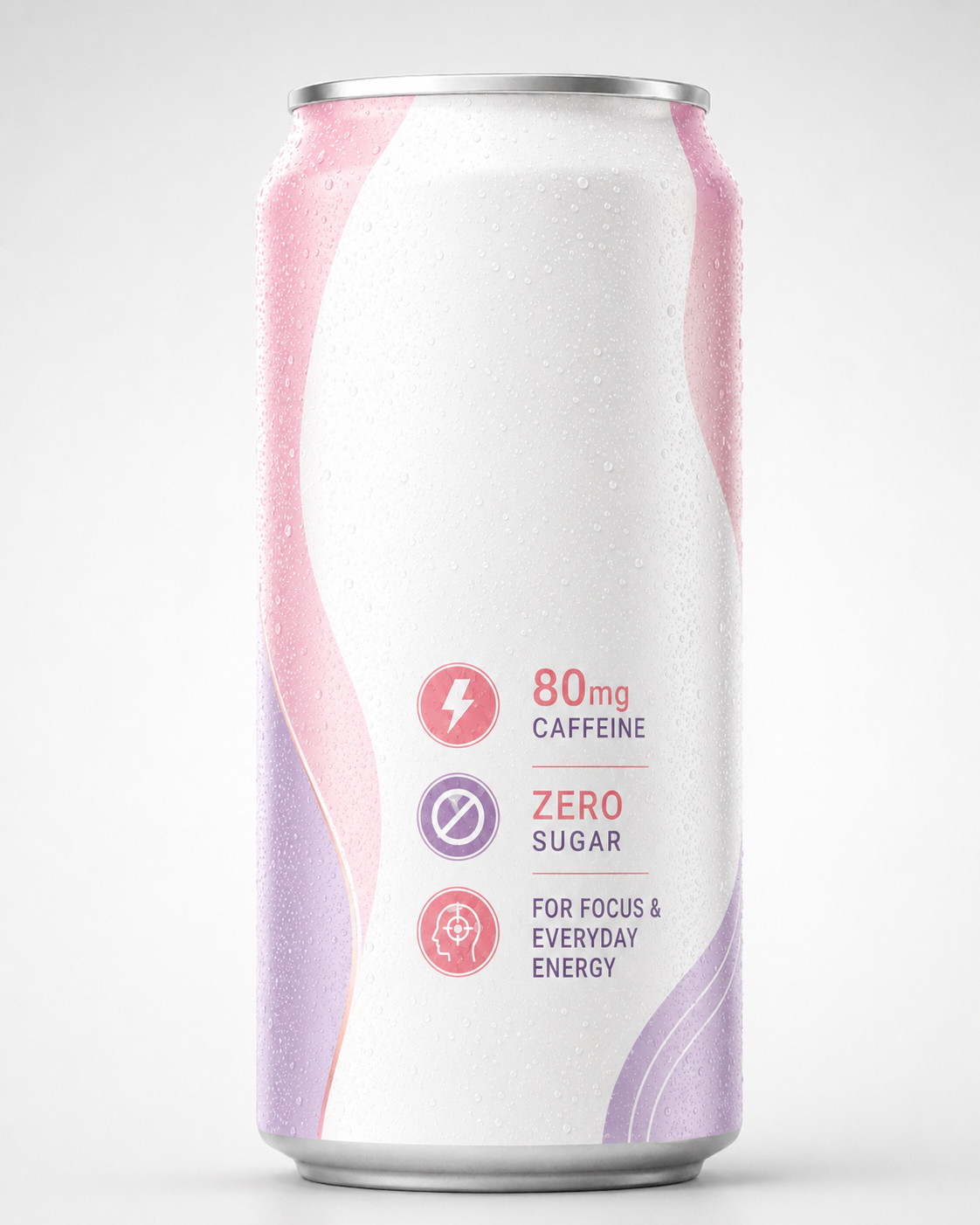
The opening is a lighter daily energy offer: visible caffeine dose, zero sugar, calmer packaging and a reason to drink it during work, study, travel or long shifts.
Problem
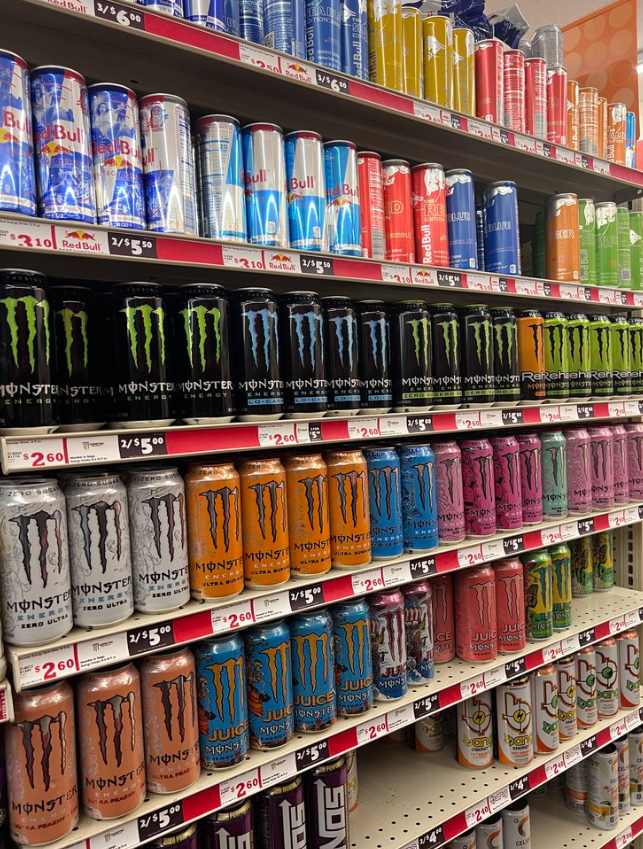
Energy drinks are no longer only for sport, nightlife, gaming or extreme moments. Consumers now use them across daily routines, but the shelf already has default brands for most of those jobs. A new brand has to win a repeat occasion, not just a first purchase.
Demand remains strong.
The category is crowded.
Trial does not mean repeat.
New segments can still scale.
High-caffeine youth codes face pressure.
Signal
The next consumer is not anti-energy. They are avoiding the old baggage: too much caffeine, too much sugar, artificial taste, crash, loud branding and unclear health cost.
High caffeine, loud identity, sport and nightlife.
Right dose, lower sugar, work, study, hydration and routine.
Premium performance, intensity, fitness, culture, flavor or pre-workout.
Make the use case easy to repeat.
Light morning boost, portable routine.
Focus for long screen sessions.
The clearest wedge to own first.
Hydration plus light energy.
Steady energy for long shifts.
Signal
New brands usually fail after the first purchase. The hard question is not “will someone try it?” It is “will the same shopper buy it again next week?”
High noise, similar claims and no obvious reason to buy the same can again.
Visible dose, clear use case and a calmer role in the week.
Focus | hydration | work | study | routines
Decision
The most attractive consumer still wants energy. They just do not want the category to feel so intense, artificial or young.


Strategic direction
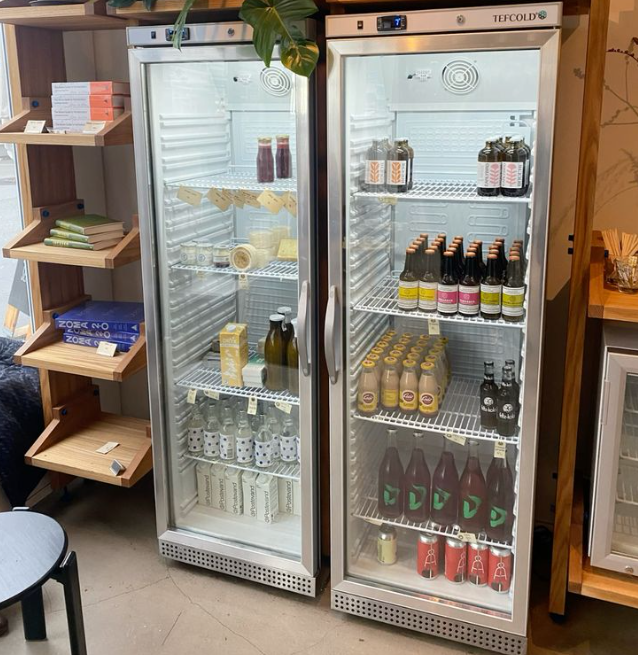
The wedge sits between coffee, water plus electrolytes and classic energy: lighter than Monster, more functional than soda, colder than coffee and less gym-coded than pre-workout.
What a brand should do next
Prove the afternoon focus moment first. Then expand only when repeat, velocity and price resilience hold without heavy support.
Activation idea
A clear moment to own: the afternoon dip, when work, study and long screen sessions need a predictable boost.

People who need daily energy for work, study, commuting, travel, gym or long days.
Product trials between 2 pm and 4 pm in offices, universities, coworking and vending locations.
80 mg focus drink, hydration plus 80 mg caffeine, and a caffeine-free or very low-caffeine extension.
Business impact
The goal is new consumer entry, stronger repeat through a daily occasion, lower exposure than high-caffeine youth-coded brands and a cleaner distributor story.
Need to find the real wedge?
Marksyte can map the shelf, validate the occasion, test the proposition and build the scorecard before you commit to scale.
Market paradox
Energy drinks keep expanding because consumers want energy, focus, and convenience. But the shelf is crowded, big players control attention, and every new launch must prove that trial can become repeat purchase.
The paradox
Energy drinks sit at the intersection of energy, focus, fitness, convenience, flavor and identity. The category now belongs in everyday routines.
Work, study, gym, gaming and long days create regular use occasions.
Health-aware consumers are more open to the category.
Drinks now promise focus, hydration, performance, mood or wellness.
New flavors create trial and social media attention.
Launching is easy. Repeat is hard. Trial can come from sampling, influencers, promotions or packaging. The second purchase requires a clear occasion.
The consumer tries once, but does not know when to drink it again.
"Zero sugar, clean energy, great taste" sounds like everyone else.
Slotting, promos, freight, margins and returns consume cash.
The brand gets listed, but not pushed.
Early buzz is mistaken for repeatable demand.
The opportunity is not in joining the category. It is in finding a clear space inside the category where existing brands are weak.
Estimated U.S. energy drink market in 2024, set for further five-year growth.
Source: Mintel, 2025New energy drinks launched in 2024, according to NielsenIQ.
Source: NielsenIQ via NACS, 2026Share of packaged beverage category dollars led by energy drinks in U.S. c-stores in 2024.
Source: NACS via CSP, 2025Category evolution
The category moved from fatigue relief to lifestyle, then intensity, then fitness, then community. The next wave will likely be controlled, daily, and more regulation-aware.
Wave chart
Older category codes
LoudHigh caffeineBig cans Extreme sportsMale-codedSugar-heavyEmerging codes
ControlledDailyFocus HydrationLow sugarWork and study Mixed genderRegulation-aware1980s-1990s
2000s
2010s
2020s
2020s
Next
Each winning wave made energy useful in a new context. The next wave will not be about higher caffeine. It will be about better fit.
What each wave taught the market
Brand meaning can matter more than liquid.
Format, price per ounce and identity can disrupt a premium leader.
A healthier image can bring new consumers into energy.
Women were not absent from the category. They were under-addressed.
Flavor, gaming, creators and community can build awareness fast.
Sports nutrition can cross into mainstream beverages.
Big brands do not automatically win on price, habit and distribution.
Consumer shift
Energy is no longer only for sport, gaming, parties, or extreme moments. It is used across work, study, gym, commuting, long screen sessions, and daily routines. The commercial question is which occasions can support repeat when consumers also weigh sugar, caffeine load, crash, sleep impact, and taste.
From / to transformation
Consumers still want the outcome. A new offer must prove it reduces tradeoffs that matter in the chosen occasion.
New consumer tensions
The market is not just expanding. It is becoming more selective.
New use cases
Energy is not one occasion anymore. It is a sequence of moments.
Lower caffeine, clear focus claim, less crash.
Calm branding, adult taste, smaller dose.
Zero sugar, electrolytes, performance cues.
Reliable stamina and workplace channels.
Hydration plus light energy and evening-safe ritual.
The next brand should not ask, "How do we make a stronger drink?"
It should ask, "Which moment are we solving better?"Regulatory pressure
Energy drinks are moving into a more regulated phase. The pressure is building around caffeine levels, sales to minors, sugar, warning labels, youth marketing, vending, delivery, and packaging. Exposure will vary by market, formulation, claims, channel and target audience.
Pressure building
High-caffeine products become harder to defend, especially for younger audiences.
Under-16 or under-18 restrictions can limit access and force age checks.
Sugar-heavy drinks face more pressure in advertising and retail.
Clear caffeine disclosure becomes part of brand trust.
Gaming, social campaigns, schools and influencers face greater scrutiny.
Regulators worry about young adults combining energy drinks with alcohol.
Age control is harder outside traditional retail.
Deposit systems and packaging requirements can increase cost.
Category response
Regulatory pressure
Strong dose, clear warning, adult positioning.
Lower sugar, but still caffeine-led.
50 to 100 mg caffeine for routine use.
Electrolytes and moderate caffeine.
Hydration, vitamins and taste without added caffeine.
New white space
The best opportunity is not to avoid regulation. It is to test formulations and positioning against the direction regulation is moving in the target market.
In the EU, beverages above this caffeine level must carry a high-caffeine warning and state caffeine content.
Source: EU Regulation 1169/2011, Annex IIIEngland consulted in 2025 on banning sales of high-caffeine energy drinks to children, including vending machines.
Source: UK DHSC consultation, 3 Sep 2025Canada restricts caffeinated energy drinks to this maximum per serving and requires cautionary labeling.
Source: Health Canada, updated 2 May 2024What this changes
The brands most exposed are built on high caffeine, youth appeal, large cans, aggressive branding, and unclear functional claims.
The brands with more room are built on controlled caffeine, clear labeling, adult use cases, hydration, and daily routines.
Regulation makes "more caffeine" a weaker growth strategy. It makes control more valuable.
Competitive landscape
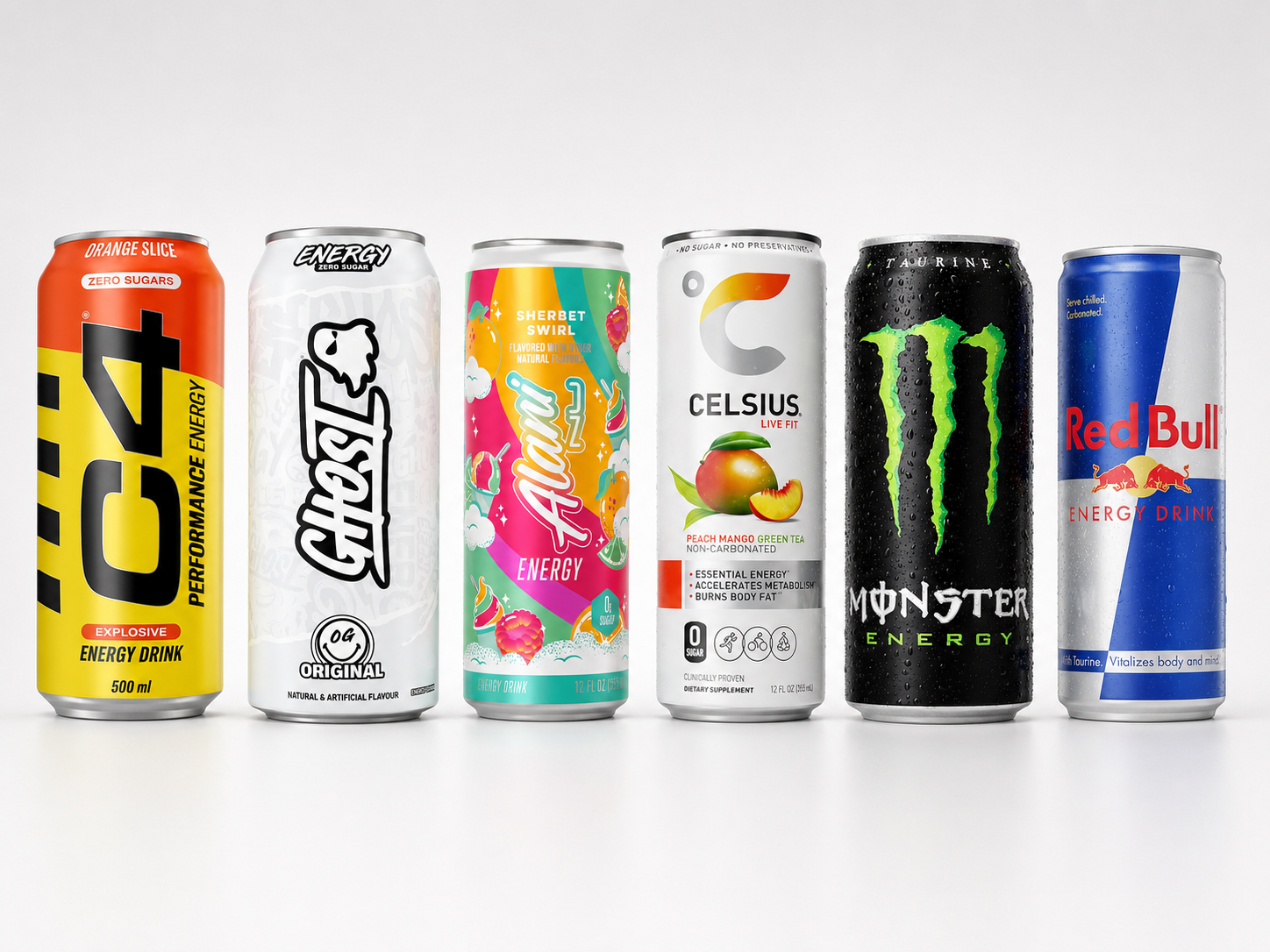
Red Bull, Monster, Celsius, Alani Nu, Ghost, C4, and strong challengers already compete hard across the largest energy drink territories. The opportunity is not to copy them. It is to find an occasion where their established brand logic is a weaker fit.
Established associations
Performance, lifestyle, sport, media culture
Big can, youth culture, bold flavors, visibility
Gym, performance, zero sugar, active routines
Taste, wellness, social media, lifestyle
Flavor drops, creators, gaming identity
Lower sugar, wider acceptability
Price, accessibility, familiar taste, everyday use
Price, availability, good-enough energy
Incumbent constraints
Big brands can enter many spaces. But they will not be equally credible in all of them.
A calm office proposition may sit awkwardly beside Monster's intensity cues.
Low caffeine can look weak next to high-performance brands.
Big brands are built around convenience, supermarkets, gyms and mass retail.
Affordable clean energy is hard to scale profitably.
Brands avoid products that look too close to minors.
A new product can cannibalize an existing SKU.
Communities reject brands that feel forced or late.
Opportunity map
Territory to validate
Controlled daily energy Focus | Hydration | Work | Study | Night shifts | Low caffeineAvoid direct war
Premium energy / Big-can intensity / Fitness / Gaming flavors / Lifestyle and wellness
Low-caffeine focus / Adult productivity / Hydration + light energy / Night shifts / Non-carbonated formats / Familiar taste
The strongest opportunities sit between existing brand identities, not inside them.
A new brand should not ask, "Can we be better than Monster or Celsius?"
That is where the wedge begins.
Priority hypotheses
These are not confirmed targets. They are occasion-based hypotheses worth testing because they combine a frequent need with potential friction around branding, caffeine load, taste, sugar, crash, or channel fit.
Candidate wedges
Needs Energy without anxiety, jitters or sleep damage.
Frustration Most brands still sell intensity.
Concept to test: lower-caffeine daily energyNeeds Focus for long screen sessions and afternoon slumps.
Frustration Brands speak to gym, gaming or nightlife.
Concept to test: 80-100 mg focus drinkNeeds Energy for work and life, without performance theater.
Frustration Too young, aesthetic or gym-led.
Concept to test: calm productivity energyNeeds Controlled, repeatable energy during demanding days.
Frustration The category feels loud and artificial.
Concept to test: adult routine energyNeeds Reliable energy built around a real work rhythm.
Frustration Their need is not glamorous enough for brand stories.
Concept to test: functional, vending-ready energyNeeds Hydration plus a light lift.
Frustration Hydration and energy are treated separately.
Concept to test: electrolytes + light caffeineNeeds Flavor and ritual without alcohol or a heavy hit.
Frustration Classic energy is too intense for evening use.
Concept to test: lower-caffeine social formatNeeds Familiar taste, normal price and a still-energy option.
Frustration Clean energy can feel premium and can-first.
Concept to test: affordable still energyStrongest unmet tension
The product does not need to feel weaker. It needs to feel more controlled.
Hypothesis map
High daily need. Weak fit with existing energy identities.
High need, but function and channel matter more than image.
Lighter occasions with new format potential.
Relevant demand, with stronger incumbent presence.
A sensible first test sits in lower-intensity daily routine: focus, work, study, hydration, and controlled energy. Repeat data should decide whether it is a wedge.
Commercial implication
The opportunity is earned only if a more controlled proposition creates repeat.
Commercial playbook
The best way to find a market opportunity is not a national launch. It is a focused test that proves whether a specific consumer, in a specific moment, will buy again without heavy discounts.
The test that matters
Sampling, influencers, promotions, and a good-looking can can create first purchase. The real test is repeat.
The real question is: Will the consumer buy it again next week?
From hypothesis to scale
The goal is not to prove that people will try it. The goal is to prove that one consumer group will repeat it.
How to test without overinvesting
See where claims, price points, formats, and consumers are already crowded or missing.
Find the friction: too sweet, too expensive, too much caffeine, artificial taste, or crash.
Learn which positioning earns attention before making inventory.
Test whether the intended consumer understands the product quickly.
Test real shelf velocity in 10 to 30 stores over 8 to 12 weeks.
Learn whether the product creates habit, not just curiosity.
Prevent false scale and wasted cash by following proven demand.
What to measure
People buy again without being pushed.
Product moves from cold placement, not only during sampling.
Consumers describe the same use case back to you.
Sales do not collapse after the promotion ends.
Stores ask for more stock or more facings.
The brand creates a new consumer or occasion, not just a switched can.
One or two leading SKUs show where to focus.
What not to do
It spreads cash, attention, and shelf space too thin.
"Energy for everyone" is not a wedge.
Influencer attention does not always become repeat purchase.
It hides whether consumers will pay the real price.
Early buzz can disappear when sampling stops.
Celsius, Ghost, and Alani Nu already defend those spaces.
A workplace drink may fail in convenience but win in vending.
The scale gate
A brand is ready to scale only when three things are true:
The consumer knows when to drink it.
The consumer buys it again without heavy promotion.
The channel economics work after distributor and retailer margins.
If one of these is missing, the brand is not ready to scale.
How Marksyte would help
This is a category hypothesis, not a launch recommendation. The next step is to establish which occasion, proposition and channel produce repeatable economics.
Claims, caffeine levels, formats, price points, channels and incumbent positions.
Occasion interviews and complaint mining to identify credible tensions.
Focused propositions tested before inventory or broad distribution.
Repeat, velocity, price resilience and margin logic for a scale decision.