Protein demand gives the brand permission to enter. It does not make the brand different.
Protein RTD / business question
How can a brand enter the protein RTD market without becoming another generic high-protein shake?
The question keeps the study commercial from the start. Consumers already want protein. The harder part is giving shoppers a reason to pick one bottle, remember it and buy it again when the shelf is full of similar promises.
Scope: a market-entry case for brands, distributors and commercial teams deciding where protein RTD can still create a differentiated business.
01
Problem
Protein demand is not the problem. Sameness is.
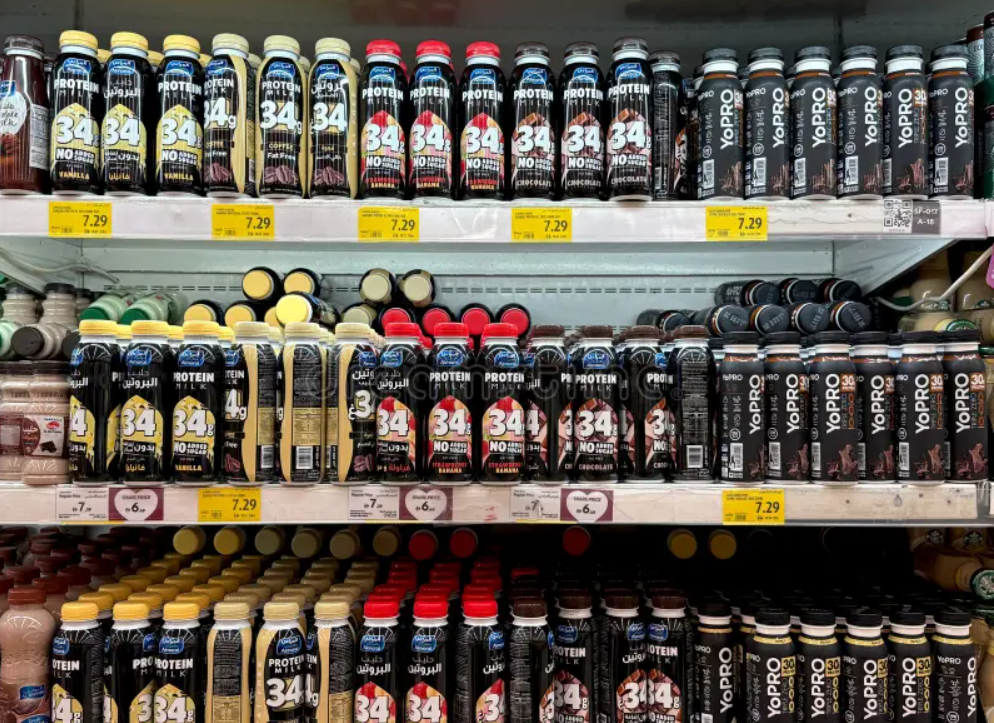
Most RTD protein brands can say high protein, low sugar, good taste and convenience. Those claims get a brand onto the shelf. They do not, by themselves, create a reason to pay more, switch brands or repeat.
When every pack says the same thing, the consumer still needs a reason to repeat.
Repeat depends on taste, texture, price and whether people know when to drink it.
The useful message is not "more protein." It is "protein for this moment."
02
Signal
The category is moving into everyday routines.
The market is no longer only about gym users. Protein now shows up in breakfast, coffee, snacks and weight-control routines. RTD makes that demand easy to buy without powder, prep or cleanup.
Protein is becoming mainstream, not just athletic.
RTD grows because it removes the friction of powders and meal prep.
The category is expanding from shakes into beverage, coffee, dairy and plant-based formats.
Large companies are treating protein RTD as a platform, not a niche product.
Forecast CAGR: 7.70%
02
Signal
Company moves confirm the category is not one format.
The cases show where the category is going: dairy players are scaling, classic shakes are defending the obvious space, plant-based and complete nutrition are attracting buyers, and coffee is pulling protein into an existing routine.
Dairy credibility, taste and retail distribution are becoming powerful protein RTD advantages.
The classic RTD shake space is already claimed, making copycat entry weaker.
Strategic buyers want brands with loyal users, repeat potential and expandable nutrition platforms.
The strongest growth logic connects protein to routines consumers already have.
| Case | Business action | What it signals |
|---|---|---|
| fairlife / Core Power | Built a mainstream high-protein dairy platform. | Protein can scale when taste, dairy credibility and retail distribution work together. Source |
| Premier Protein | Owns the classic RTD shake space. | The standard shake format is already competitive. Source |
| Oikos | Entered protein shakes from a yogurt base. | Dairy brands are stretching into RTD protein. Source |
| OWYN | Plant-based RTD protein acquired by a larger player. | Plant-based protein has value when it solves allergy, lifestyle and convenience needs. Source |
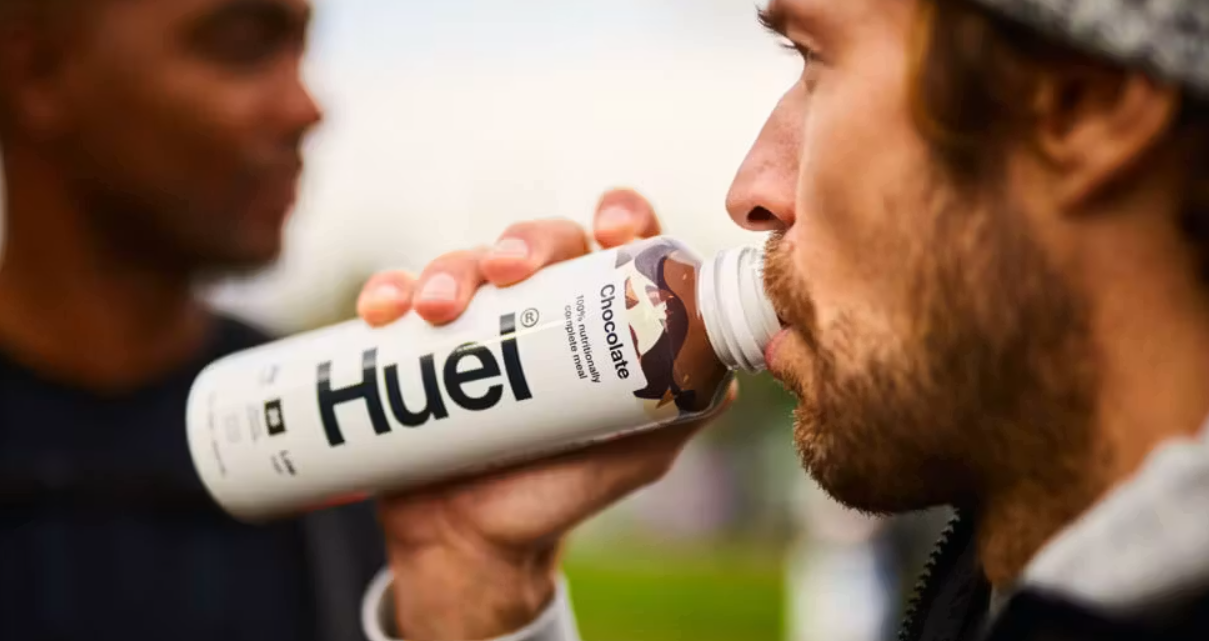
| Huel | Complete nutrition platform expanding through RTD. | RTD protein is moving toward meal replacement and daily nutrition. Source |
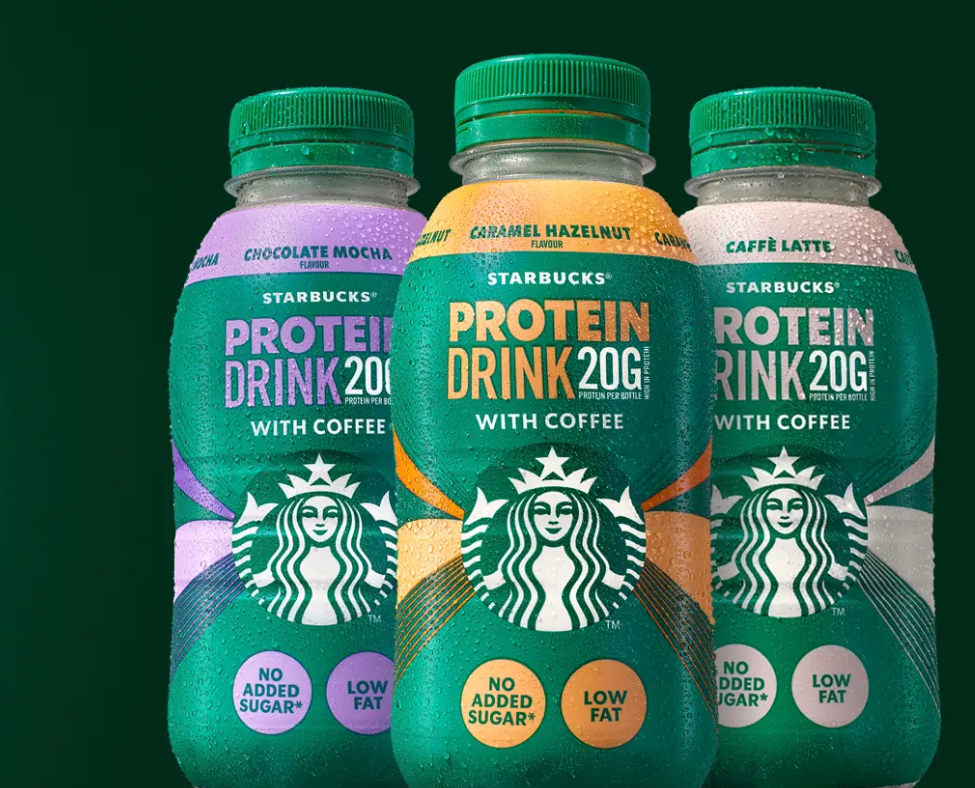
| Protein coffee brands | Attach protein to coffee routines. | The strongest growth comes when protein connects to an existing habit. Source |
02
Signal
The pattern is practical: less effort, clearer occasions, easier repeat.
The logic is practical. The products that travel furthest are the ones that remove effort, fit a moment people already have and taste normal enough to repeat.
It is also fullness, energy, weight management, healthy aging and everyday nutrition.
RTD removes mixing, cleaning and planning. That turns protein from a task into an immediate choice.
Protein is moving into coffee, clear drinks, water, dairy drinks and plant-based formats that compete with normal beverages.
Growth comes when protein owns a moment: breakfast, coffee, work snack, meal control or recovery.
The strongest brands do not teach a new behavior. They attach protein to routines people already understand.
Protein plus fiber, energy, digestion or hydration can add value, but too many claims make the shelf harder to read.
Old logic
Protein bought for training
Gym use, powders, heavy shakes, post-workout recovery.
New logic
Protein bought for daily routines
Coffee, breakfast, work snack, light meal, everyday nutrition.
Consumers increasing protein intake shows the category is no longer only sport-led.
Forecast RTD protein beverage market size by 2031 supports the convenience thesis.
Forecast protein coffee market by 2034 shows the power of attaching protein to existing routines.
02
Signal
The signal also shows why entry is difficult.
Demand is not the barrier. The hard part is turning trial into repeat when the shelf is crowded, the claims are similar and large competitors can buy space, promotion and attention.
High protein, low sugar, good taste and convenience are becoming entry tickets, not differentiators.
Mainstream consumers compare RTD protein with normal beverages, so chalky, thick or artificial cues hurt repeat.
RTD must justify a premium versus powder, coffee, yogurt drinks and everyday snacks.
Protein isolates, sweeteners, gums and fortified claims can collide with demand for simpler nutrition.
If the product does not own a clear use moment, the consumer may try it once and forget when to buy it again.
Large companies can use distribution, supply chains, trusted brands and promo budgets to defend the shelf.
fairlife reached billion-dollar scale, showing the power of dairy credibility plus distribution.
Simply Good Foods acquired OWYN, showing strategic value in differentiated RTD platforms.
Forecast category growth attracts more entrants, which raises the bar for differentiation.
03
Decision
Build a lighter daily protein drink, not another heavy shake.
The better move is not another heavy chocolate shake. It is a product that helps mainstream consumers handle a real moment: breakfast, coffee, an afternoon snack or a light meal gap.
Crowded route
Another 25g chocolate shake
High comparison, strong incumbents, limited reason to repeat.
Better route
A lighter daily protein beverage
Clear occasion, better taste, low sugar and a credible second benefit.

Connects protein to a high-frequency need: a quick start when consumers skip breakfast or rely on coffee alone.
Attaches protein to a routine people already understand, making the product feel like an upgrade rather than a supplement.
Competes with sweets, vending, another coffee or a low-quality snack when consumers want a small fix.
Adds satiety, digestion and meal control, making the proposition stronger than more protein alone.
Moves away from the heavy shake experience toward refreshment, hydration and everyday beverage occasions.
Links protein to a real daily problem: needing something quick, portioned and more useful than a snack.
Forecast protein coffee market by 2034 shows the scale of attaching protein to coffee routines.
Fiber adds fullness, digestion and meal-control relevance to a crowded protein claim.
Clear, coffee and beverage-style formats help protein compete outside the supplement mindset.
Decision
Enter as a daily protein beverage brand, not as a sports nutrition brand.
The strategic choice is to build around a high-frequency occasion, especially morning or afternoon snack, and make the product easy to repeat through taste, convenience, low sugar and a credible benefit such as fiber.
That moves the brand away from a grams race. The job is simpler and more commercial: make daily protein easier to buy, easier to drink and easier to remember.
04
What a brand should do next
What should the business do next?
The launch needs discipline: one audience, one lead occasion, one simple product promise and a route to market that creates trial quickly.
The product should feel useful before, between or instead of meals, not only after training.
These moments are frequent, easy to understand and close to existing drink behavior.
Win with chilled visibility, sampling, bundles and a message consumers can repeat in one line.
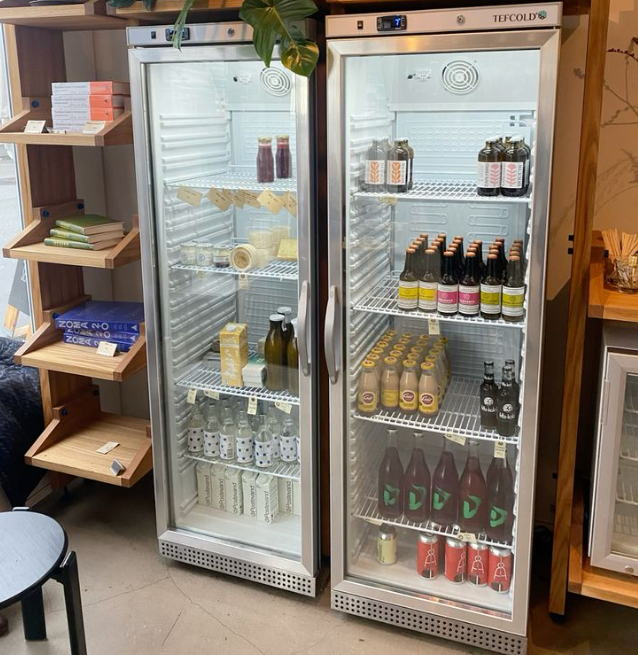

People who want more protein without powders, heavy shakes or a sports nutrition identity.
Pick one lead moment first. Frequency matters more than claiming every possible use.
Enough protein to be credible, light enough to repeat and functional enough to justify price.
Use retail for scale, convenience for impulse, online for bundles and sampling for behavior change.
Simple, mainstream and occasion-led. It sells the job, not the ingredient list.
Build the launch around trial: meal deals, creator routines, office drops, gym partnerships and starter packs.
Choose morning protein or afternoon snack and build flavor, pack, claim hierarchy and channel around it.
Test chilled trial, office drops and starter packs before widening distribution.
Expand into supermarket, convenience and online once the routine and message are working.
Cargill flags protein demand, but also taste as a key condition for mainstream adoption.
NielsenIQ points to protein and fiber as part of the functional nutrition stack shoppers notice.
fairlife shows how a protein platform can scale when taste, dairy credibility and distribution work together.